Quick Summary
- A glass break sensor listens for the sound of shattering glass, or feels the impact on the glass itself, and tells your alarm system.
- It does not replace door and window contacts or motion sensors. It covers a different way in: glass that is broken while the window stays shut.
- Manufacturer guides say these sensors may not reliably catch a crack or a bullet, and that they should be backed up by interior protection.
- Range, angle, line of sight and curtains all change how well a sensor hears the glass, so where it goes matters.
- Noisy rooms and the wrong alarm setting can cause false alarms. A shock sensor on the window is one alternative.
A glass break sensor is a small device that watches for one thing: a window or glass door being broken. One common type is acoustic, which means it listens for the sound pattern of shattering glass and signals the control panel when it hears it. If you are planning a home alarm, ASAP Security’s residential security page shows how a system is designed around your home’s layout, and the questions below will help you decide whether glass break coverage belongs in it.
What is a glass break sensor, and how does it work?
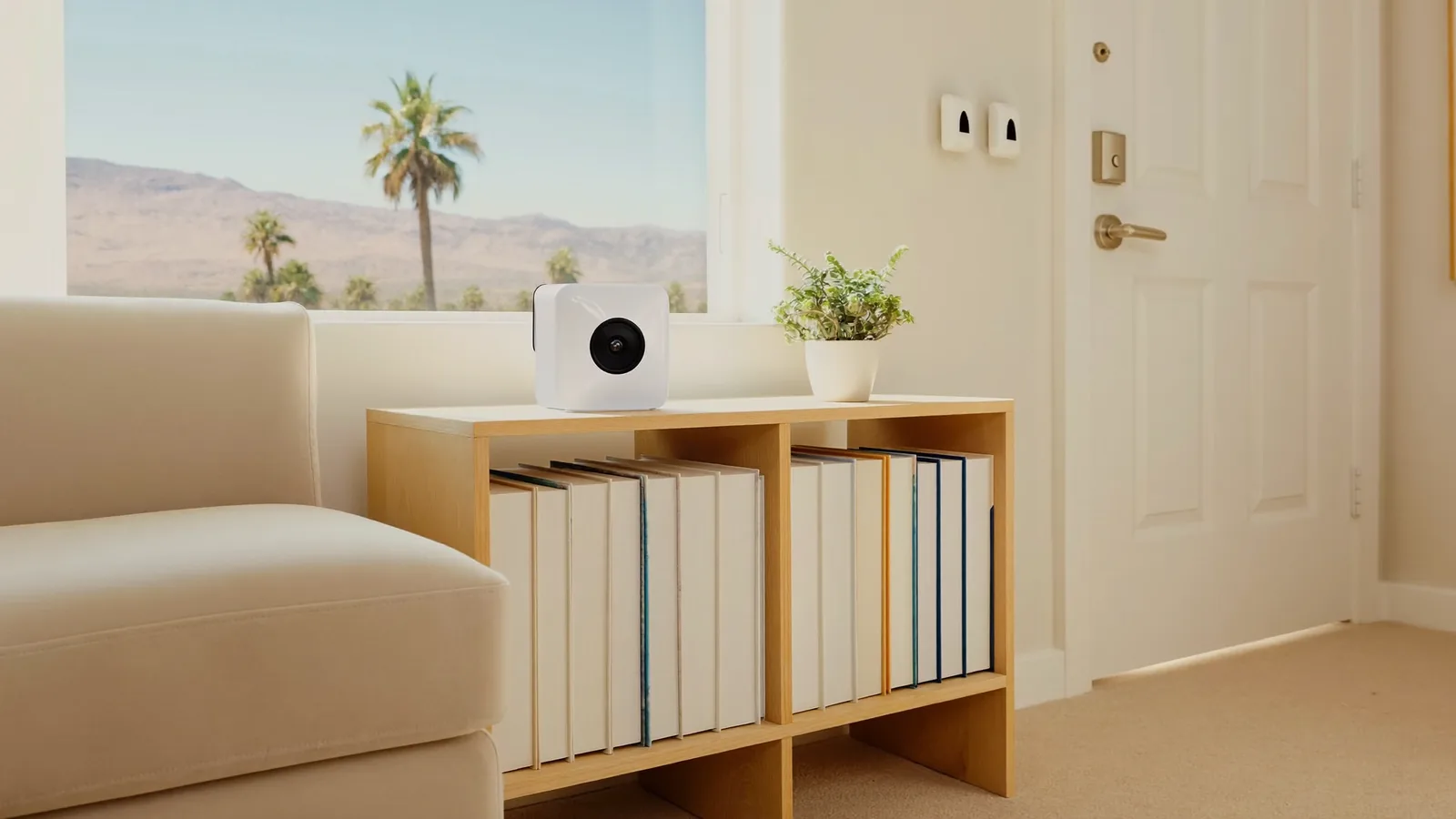
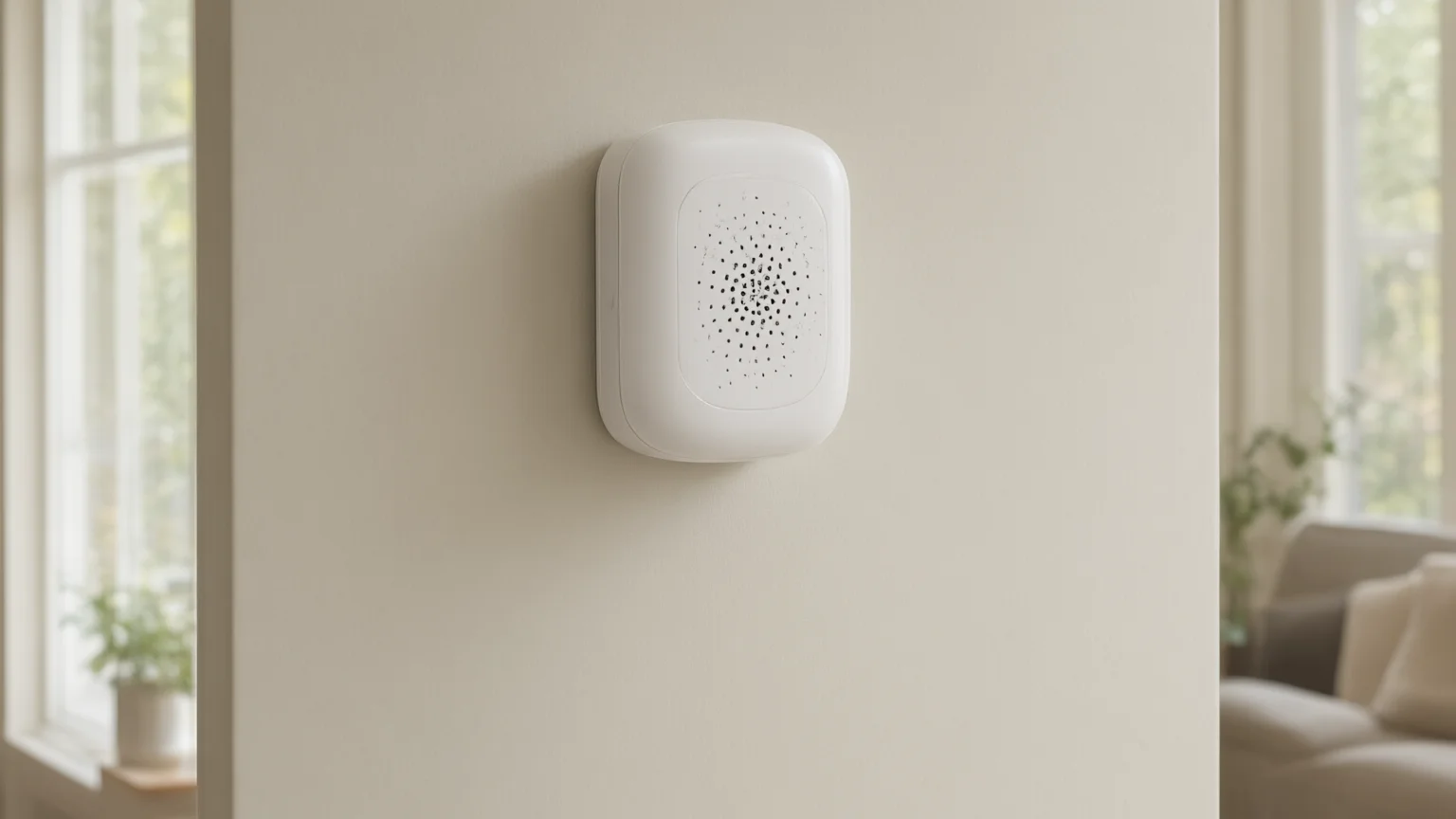
A glass break sensor is an alarm device that detects broken glass in an outside wall and reports it to your system. Two common kinds exist.
An acoustic sensor has a microphone. The installation guides for two wireless models, the Qolsys IQ Glassbreak and the DSC PGPx922, describe each as an acoustic detector designed to detect the breaking of framed glass mounted in an outside wall. Both list plate, tempered, laminated, wired, coated and sealed insulating glass as suitable. For laminated and sealed insulating glass, both guides limit protection to a unit with both plates broken.
A shock sensor works differently. It is mounted on the window or its frame instead of listening to the room. The Qolsys guide points to shock sensors for places where an acoustic sensor is more likely to give false alarms.
What do glass break sensors not do?
They do not catch every kind of break-in. The same two guides say that, like all glass break sensors, the detector might not consistently detect cracks in glass or bullets that break through or break out the glass. They add that glass break sensors should always be backed up by interior protection.
A glass break sensor also cannot tell you that a window was opened or a door was unlocked without any glass breaking. And the two acoustic models in the cited guides need a direct line of sight to what they protect: the guides say the sensor must be in direct line of sight of all protected windows and cannot consistently detect glass breaking around corners or in other rooms.
How is a glass break sensor different from door and window contacts and motion sensors?
Each sensor type watches for a different event, so they work best together.
| Sensor | What it watches for | Where it helps | What it does not cover |
|---|---|---|---|
| Door and window contact | A door or window being opened | Entry points that open | Glass broken while the window stays shut |
| Glass break sensor | Acoustic: listens for the sound of breaking glass; shock: detects vibration at the glass or frame | Coverage depends on the sensor, glass and placement | Acoustic models may not consistently detect cracks or bullets or hear glass around corners; consult the model’s guide. |
| Motion sensor | Movement inside a room | Rooms someone has already entered | Anyone not yet inside the covered area |
Our security screens guide explains a physical barrier option, and our residential perimeter security guide shows how sensors, cameras and screens each take a different role.
Where do glass break sensors make sense?
They make the most sense in rooms where one sensor can see the glass you want to protect. That usually means a room with several windows, or with a large glass opening such as a patio slider, where a single sensor can cover the glass from across the room.
A sliding door is a good example. Our guide to how to secure a sliding glass door covers the physical layers, such as track bars and anti-lift hardware. A glass break sensor is an alarm layer on top of those, not a substitute for them.
What affects range and placement?
Range depends on the model, the glass, the angle and what is in the room. These figures come from the Qolsys IQ Glassbreak guide; other models differ, so use the manual for the sensor you actually buy.
- Distance. Measure to the farthest point of glass. The Qolsys guide gives a UL/ULC maximum verified range of 6 m (20 ft), tested with 30 x 60 cm glass. Its separate 7.6 m (25 ft) specification requires glass at least 40 x 40 cm, with placement and angle limits. That longer figure is not the UL/ULC verified range; have the installer check the complete instructions for your glass and mounting position.
- Angle. The range shrinks as the angle between the sensor and the glass grows. At 45 degrees the guide gives 5.5 m (18 ft), at 75 degrees 2.5 m (8 ft), and at 90 degrees 0 m.
- Wall. Sound from breaking glass travels outward from the window, so the guide says the best spot is usually the opposite wall, high on the wall and at least 5 ft from the glass. Mounting on the same wall as the glass is described as less effective.
- Window coverings. The guides say curtains, blinds and sound-absorbing materials may reduce range, and to avoid rooms with lined, insulating or sound-deadening drapes or closed wooden shutters.

What causes false alarms, and how are they avoided?
A glass break sensor that sounds when nothing is wrong is as much a problem as one that misses a break-in. For the two acoustic models discussed here, the guides name several causes and fixes:
- The wrong alarm setting. False alarms are most likely when the sensor is on a 24-hour loop. The guides say to put it on a perimeter loop that is armed whenever the door and window contacts are armed.
- Noisy or small rooms. They advise avoiding rooms smaller than 3 x 3 m (10 x 10 ft) and rooms with multiple noise sources, such as small kitchens, garages and small bathrooms.
- Nearby noise. Keep the sensor at least 4 ft from noise sources such as televisions, speakers, sinks and doors, and do not use it where white noise such as air compressor noise is present.
- Humid rooms. The device is not hermetically sealed, so excess moisture can cause false alarms.
For spots like these, the guides recommend shock sensors on the windows or window frames.
Why have a professional plan the layout?
The guides state that only qualified personnel may install this equipment, and the sensor has to be enrolled with a compatible control panel. Where it goes, which loop it uses and whether a shock sensor suits a particular window are layout decisions that depend on your home. The manufacturer also says to check the device and the entire alarm system weekly.
Frequently Asked Questions
Do glass break sensors work on tempered or laminated glass?
The two installation guides list tempered and laminated glass, along with plate, wired, coated and sealed insulating glass, as suitable for their sensors. For laminated and sealed insulating glass, protection requires both plates of the unit to be broken. Confirm the glass types, sizes and range for the exact model and your windows before you rely on it.
Do I need a glass break sensor if I already have door and window contacts?
Contacts only notice an opening, so glass that is broken while the window stays shut is a different event. Whether a glass break sensor is worth adding depends on your windows and how your system is laid out, which is a good question for a free on-site consultation. The manufacturers also say it should be backed up by interior protection.
Will a glass break sensor go off while I am home?
The guides say the sensor is designed to work in an occupied area when it is on a perimeter loop that is armed whenever the door and window contacts are armed. Ask how your system will be set up for nights and for times when you are home.
Can one sensor cover several windows?
The two acoustic models in the cited guides can cover multiple windows if every window is within range and in direct line of sight. Their guides say to measure to the farthest point of glass and that the sensors cannot consistently detect breaking glass around corners or in another room. Check the instructions for your model.
Talk to ASAP Security About Your Windows
Not sure whether glass break coverage fits your home? ASAP Security has served Southern Nevada since 2003, including Las Vegas, Henderson, North Las Vegas, Summerlin, Spring Valley, Pahrump and Boulder City, and offers a free on-site consultation. Get Free Quote or call (702) 870-8880.
This article is general information. It is not a product recommendation, and it does not replace the installation instructions for a specific sensor or advice from a qualified installer.
Sources
- Johnson Controls: IQ Glassbreak Detector Installation Guide (D-310023, Rev. 00) (read 2026-11-13)
- Johnson Controls: PGPx922 Glass Break Detector Installation Guide (D-308652, Rev. 02) (read 2026-11-13)
ASAP Security has served Southern Nevada since 2003.