Quick Summary
- Do fake security cameras work? A dummy camera can make a property look watched, but it records nothing, sends no alerts and gives you no footage if something happens.
- No source we read supports a specific “deterrence rate” for dummy cameras, so treat any such number with caution.
- A fake that is easy to spot, such as one with a blinking red light, may be ignored.
- A working camera can capture evidence when its placement, power and recording settings are right. A visible housing alone cannot do that.
- If budget is the issue, identify the view you most need to record and ask what a working camera there would require.
Do fake security cameras work? Only in a narrow sense: a dummy camera is a prop, and a prop cannot record a face, a license plate or the time a package disappeared. ASAP Security’s security cameras page shows what a working system does instead, and the sections below explain where a decoy fits and where it falls short.
What is a fake security camera?
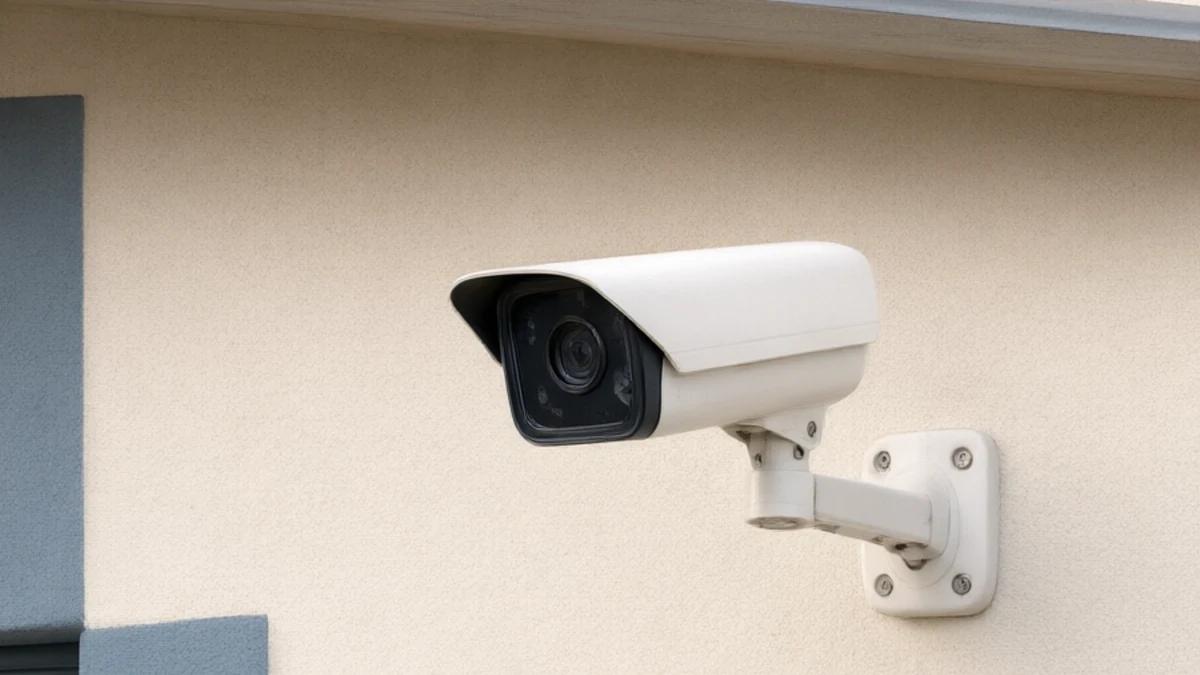
A fake security camera, also called a dummy or decoy camera, is a device made to look like a working camera without capturing video. Many have a small light that blinks and a plastic lens. Some are battery powered, and some come with a length of cable so they look wired.
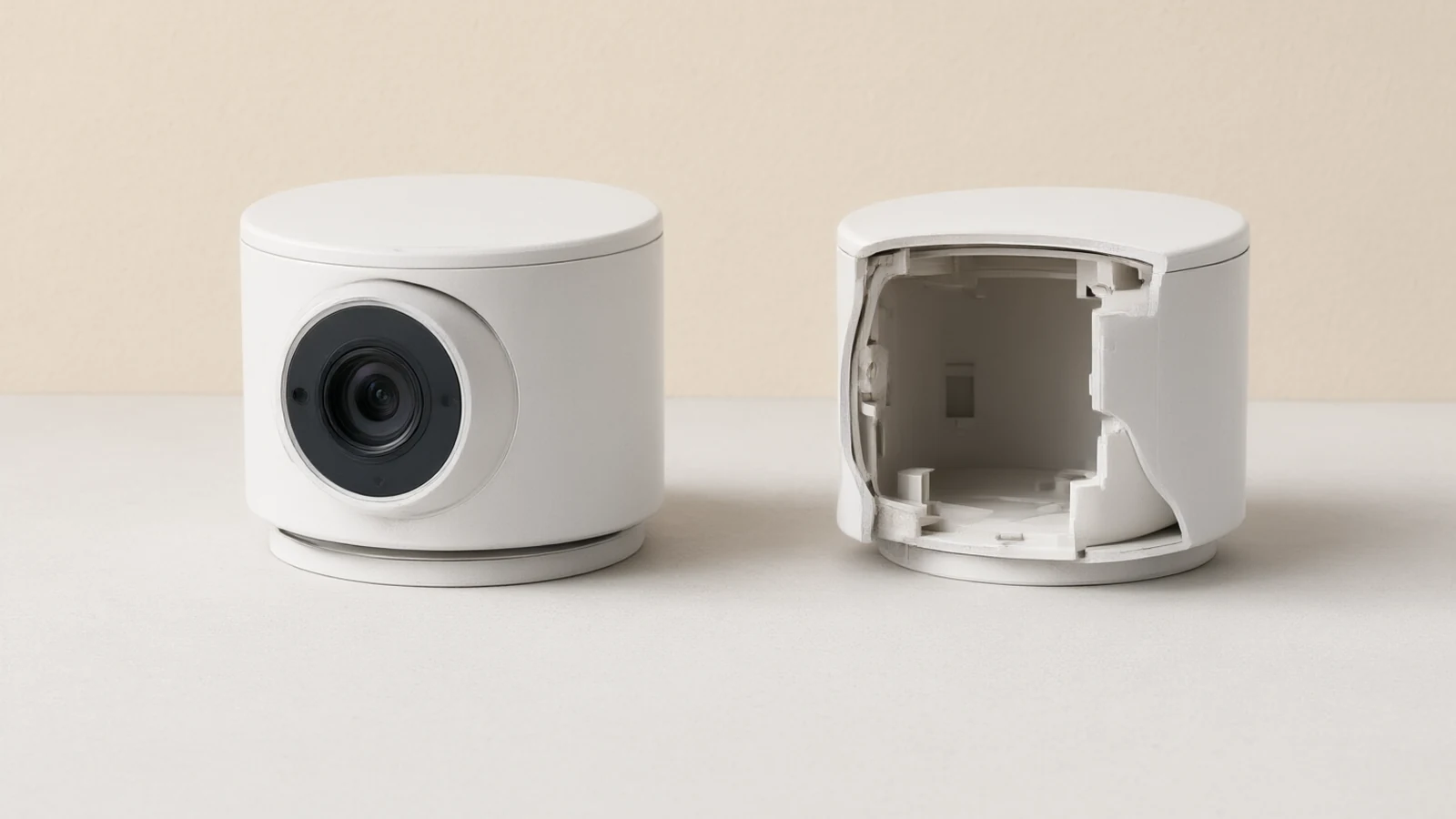
The key point is the missing function, not the shape of the housing. A pure decoy cannot capture footage, provide a live video view or send a video alert. A reused camera housing may still contain old parts; that does not make it a working system.
Do fake security cameras deter burglars?
The honest answer is that nobody can promise it, and we will not either.
IPVM, an industry testing outlet, published a public report that compared seven popular dummy cameras with real ones. It concluded that, generally speaking, it does not recommend dummy cameras because their deterrent value is questionable. That is a 2013 comparison of product realism, not a field study measuring burglaries prevented. Treat it as a historical product test, not a current deterrence rate.
What we can say from our own guides is narrower. ASAP’s camera placement guide says visible cameras may discourage some people from trying. That statement is about working cameras. We do not have a source that shows how often a decoy does the same, so this post makes no claim about how often decoys prevent a crime.
What do fake cameras give up compared with real ones?
Think about what you would want after a problem, not before it.
| What you need | Fake camera | Real camera |
|---|---|---|
| Footage of what happened | None | Possible when recording is enabled and suitable storage is working |
| An alert on your phone | None | Possible, depending on the system and settings |
| Evidence to show someone else | None | Usable footage if the event was captured and retained |
| A look at what is at your door right now | None | Live view on supported, connected systems |
| Upkeep | Battery or light | Power, storage and updates |
A decoy offers appearance rather than recorded coverage. Its price does not answer the important question: can you retrieve usable footage from that view? Check that your real camera records, retains video and lets you play it back before relying on it.
How can a fake camera look fake?
The IPVM test found several tells that apply to the products it checked:
- The blinking red light. Every dummy model it tested had a blinking red LED, which it said gave the camera away because modern surveillance cameras have not used blinking lights for some time.
- A box shape. IPVM found dummy box cameras the least realistic, largely because they were so much smaller than real ones. Bullet and dome styles looked more convincing.
- A missing cable. Models with a cable running from the camera looked more realistic than those without.
- A dead battery. IPVM reported that two models drained their batteries within three to four weeks, so even a decoy needs upkeep.
- A toy look. Build quality varied, and some cheap plastic units can read as toys.
Those findings are from 2013 products, but the basic problem is the same: a prop has to look like a real device, and people who study cameras for a living can often tell the difference. IPVM’s advice for anyone who still installs one was to turn off the red light, choose a bullet or dome style, and mount it higher.
When is a real camera the better first step?
Whenever you want an answer to “what happened?” A few common situations make the case.
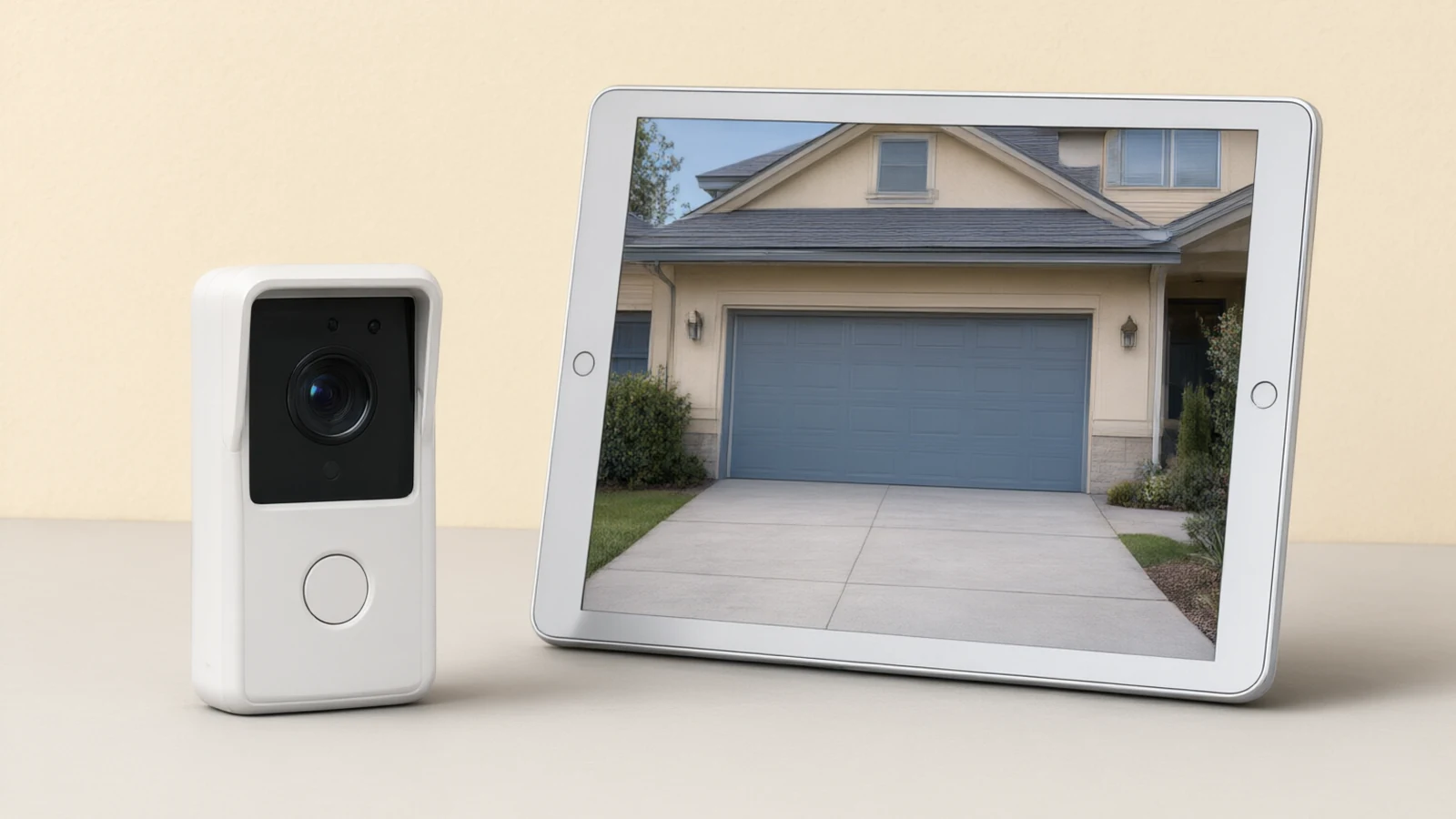
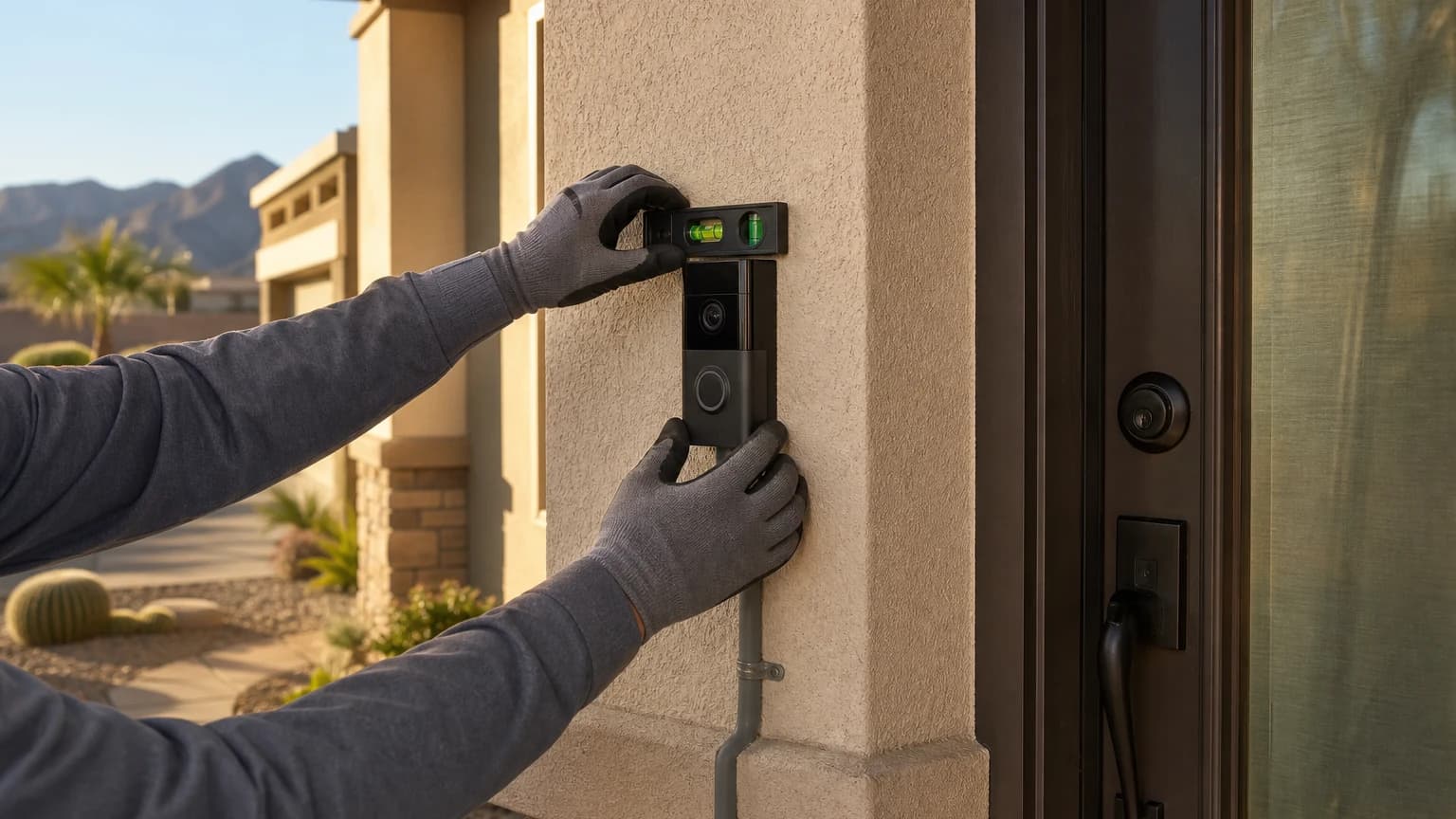
- Package theft and porch visitors. A video doorbell can show who is at the door and give you a record of the visit. A decoy cannot. Our video doorbell installation guide covers where to mount one and what to check first.
- A driveway or garage. ASAP’s placement guide notes that a driveway camera records vehicles, arrivals and anyone approaching the garage. That record is the point, not the look of the camera.
- A business. An owner who needs footage for an incident cannot use a prop. Our guide to commercial security cameras explains what a real system can cover.
- A rental. If you rent and cannot drill, ask about options before buying decoys. Our guide to home security for renters covers the questions to ask your landlord first.
Can fake and real cameras work together?
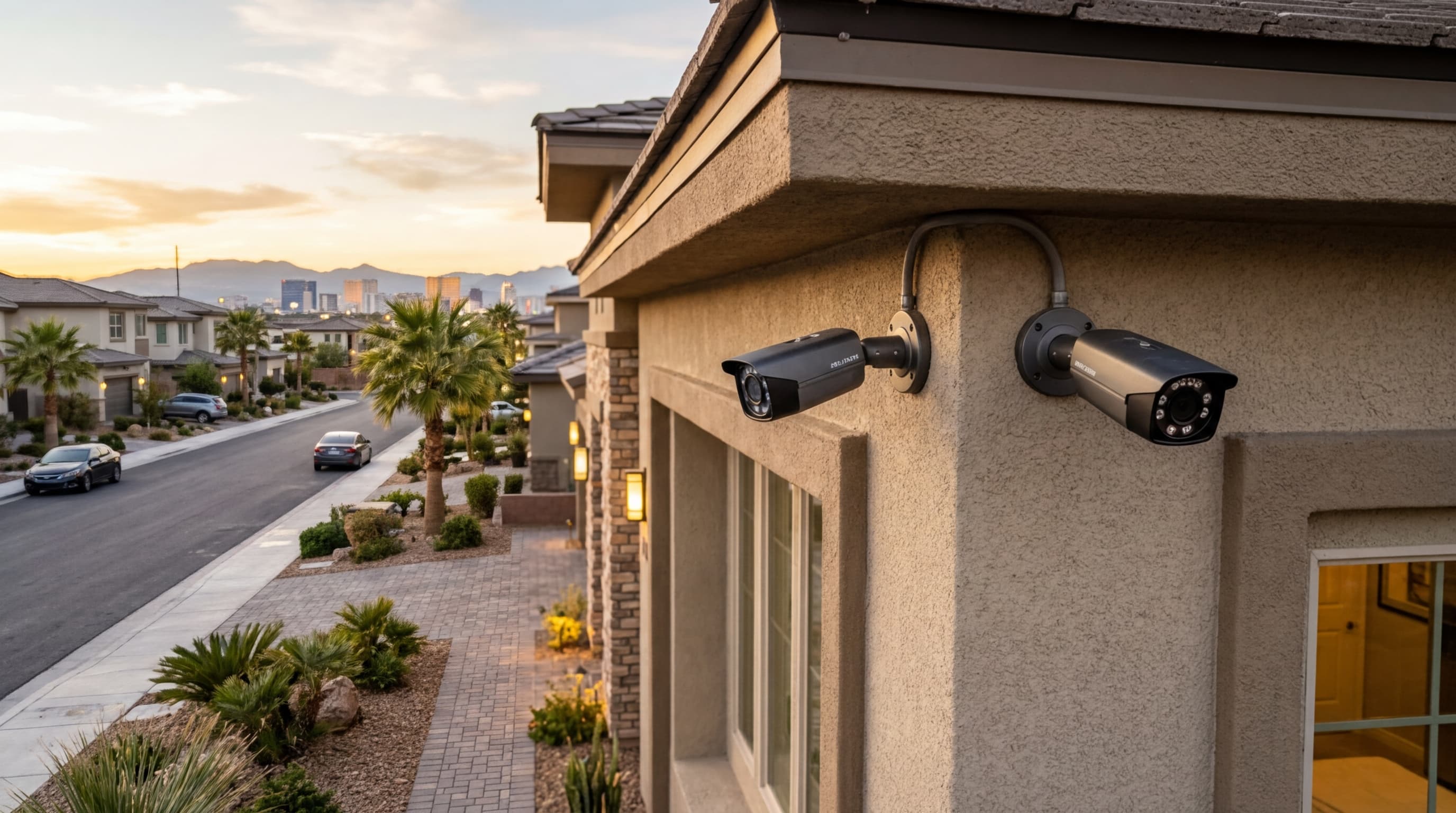
Do not confuse mixing decoys with real cameras and using real cameras in both visible and less obvious positions. ASAP’s guides describe the latter: a visible working camera at the front, plus cameras placed less obviously at side gates and the back of the house. Our guide to security cameras in Las Vegas explains how that kind of layout fits a typical property.
If you mix them, there is a real risk. A decoy can give you a false sense that an area is covered. If you cannot get footage from that corner of the property, it is not covered. Keep a list of which cameras actually record, and put your real ones where you most need evidence.
What should you ask before you buy anything?
- What do I need the camera to do? Deter, record, alert or all three.
- Which spot matters most? Start there with one working camera and add more later.
- Where will the video be stored, and who can see it? ASAP’s guides note that systems can use cloud storage, a local recorder or both.
- Who will set it up? Placement, power and the app settings decide whether a camera is useful. A free on-site consultation can map this out before you buy anything.
Frequently Asked Questions
Do fake security cameras work?
They can make a property look monitored, but they do not record, alert or produce evidence. We have no source that supports a specific rate of how often they prevent crime, so we do not claim one.
Can burglars tell a camera is fake?
Some products can look convincing, but appearance does not prove function. IPVM identified visual clues in its 2013 comparison of seven dummy cameras; it did not test how reliably burglars could identify them. Do not treat that product test as a prediction about an intruder.
Are fake cameras better than nothing?
A decoy gives you no recorded coverage, and treating it as a working camera can create false confidence. If you need footage from that spot, choose and test a working system. This post does not establish that decoys are harmless, prevent crime or avoid legal concerns.
Is a visible real camera better than a hidden one?
ASAP’s placement guide says visible cameras may discourage some people from trying, while less visible ones are harder to avoid or tamper with. Many homeowners use both: a visible camera at the front and cameras placed less obviously at side gates and the back.
Talk to ASAP Security About a Real Camera
If you are weighing a decoy against a working camera, ASAP Security can walk your property and suggest where one real camera would help most. ASAP has served Southern Nevada since 2003, including Las Vegas, Henderson, North Las Vegas, Summerlin, Spring Valley, Pahrump and Boulder City, and offers a free on-site consultation. Get Free Quote or call (702) 870-8880.
This article is general information. It is not a product recommendation or legal advice.
Sources
- IPVM: Dummy Camera Shootout (public report, published 2013-10-23; read 2026-11-19)
ASAP Security has served Southern Nevada since 2003.